

The EMTRAC Vehicle Computer Unit (VCU), which facilitates a wide range of vehicle-to-infrastructure communications, has received E-Mark certification. As such, the EMTRAC system is available for full installation and use throughout Europe—as well as the many non-European countries that have adopted E-Mark standards.
Author Archives: admin

18
Mar
Mar
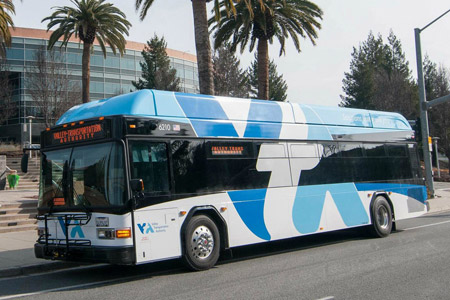
South Portland, Maine recently installed the EMTRAC system to provide Transit Signal Priority (TSP) for their South Portland Bus Service. As a part of the TSP implementation project, city personnel worked with their consulting traffic-engineering firm, Sebago Technics, Inc., to conduct a study to determine the general benefits of TSP in South Portland and to compare RF/GPS-based TSP with optical-based TSP to determine if one technology outperformed the other.
25
Feb
Feb
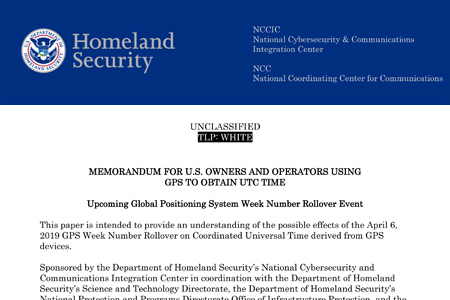
Between April 6 and April 7 of this year, there will be a GPS Week Number Rollover event, which could impact some GPS positioning and timing systems. This event could affect the ability of certain GPS-based navigation systems to provide accurate timing and, in some cases, position data during and after the rollover event.
15
Oct
Oct
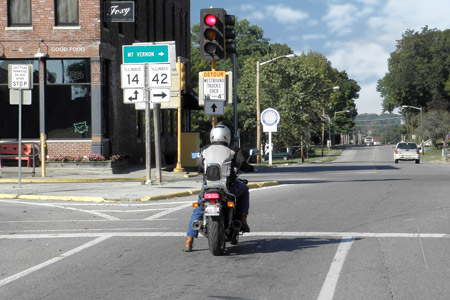
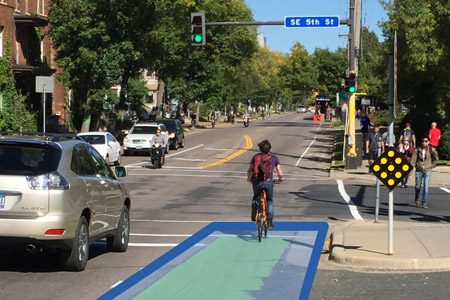
EMTRAC Systems has partnered with Columbia County Traffic Engineering to design and implement a mobile application for small vehicles (such as bicycles and motorcycles). The mobile app is known as Ride On Time Columbia County and is available for free download in the Apple and Google stores for iOS and Android.
05
Apr
Apr
STC, Inc., manufacturer of the EMTRAC signal-priority system, has integrated the Galileo satellite navigation system with EMTRAC equipment installed in transit and emergency vehicles. Similar to the GPS navigation system maintained by the United States, Galileo is the new European navigation system and will have 24 operational satellites at full capacity.
28
Feb
Feb
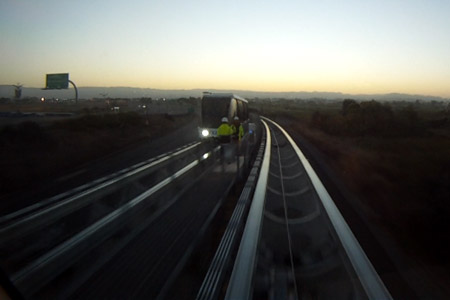
STC, Inc has been issued a U.S. patent for its EMTRAC Rail Worker Notification system, which notifies railway maintenance workers of approaching trains, as well as notifying train operators when their train is approaching wayside workers.
News
EMTRAC Systems is the Technological Leader in Providing Wireless Intelligent Transportation Solutions
14
Sep
Sep
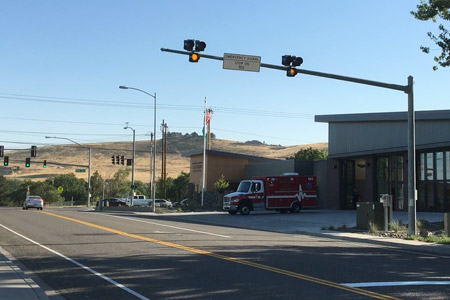
The EMTRAC System was initially developed in 1986 to enable first response vehicles to request priority through signalized intersections, and fire departments have used the EMTRAC system since that time to safely reduce response times. Transit agencies also use the EMTRAC system to improve schedule adherence, as well as to make use of safety features such as collision avoidance and wayside worker notifications.
23
Aug
Aug
EMTRAC has a new user in the City of Kennewick, WA, and their recently installed system demonstrates the compatibility of EMTRAC optical equipment with legacy optical emitters made by competitors.

17
May
May
Increased safety is an important part of the what the EMTRAC priority management system provides. At a basic level, a higher level of safety is achieved by detecting first-response vehicles and granting them signal priority, thus allowing them to more quickly respond to emergencies while reducing the potential for accidents from crossing vehicles.
01
Nov
Nov
Traffic departments have become far too familiar with spending exhaustive amounts of money on equipment and untold labor hours—all with negative results for accurately detecting bicycles. The EMTRAC system now offers the solution.