
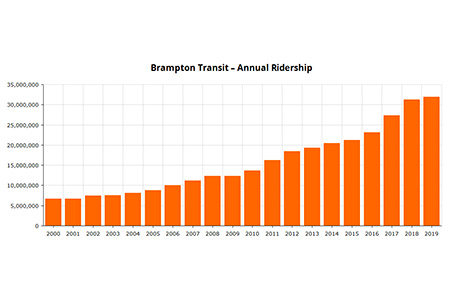
When city managers explore implementing, or improving, signal priority for transit and first-response vehicles, rarely is it for low-congestion corridors. In most cases, the streets equipped with Transit Signal Priority (TSP) and Emergency Vehicle Preemption (EVP) functionality are also the streets with the greatest travel demand.
22
May
May
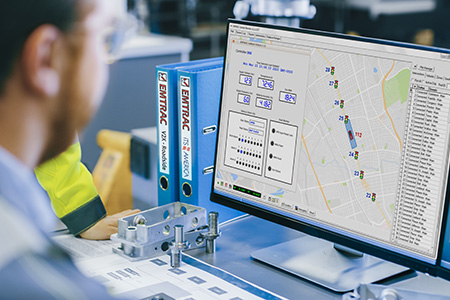
One of the key benefits of an intelligent traffic system is the ability for cities to maintain complete awareness of their system’s state of readiness. What are the conditions inside our traffic cabinets? How are our signals responding to current traffic conditions? Are the signals maintaining coordination? And so on.
23
Dec
Dec
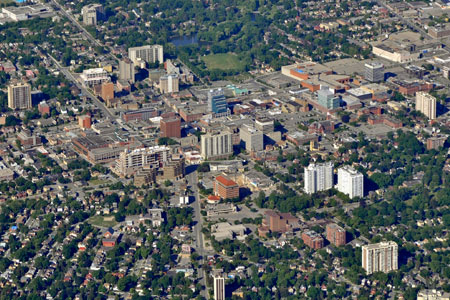
There are over 530,000 people who live in the Region of Waterloo, Ontario, and the Region includes prestigious universities, innovative businesses, and thriving urban centers—all connected by a high-quality transit system and the scenic Grand River.
16
Sep
Sep
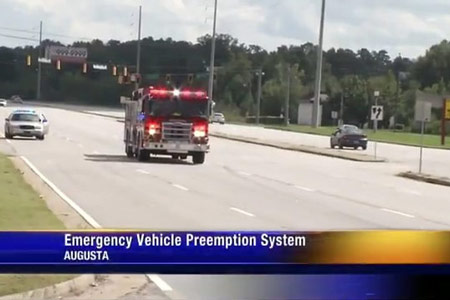
The Augusta Fire Department in Georgia will soon have emergency response vehicles equipped with the EMTRAC signal-priority system. Vehicles equipped with the EMTRAC system are able to automatically “preempt” the intersection—meaning only the response vehicle’s signal is green while all other directions at the intersection are red.

26
Aug
Aug
The EMTRAC Vehicle Computer Unit (VCU), which facilitates a wide range of vehicle-to-infrastructure communications, has received E-Mark certification. As such, the EMTRAC system is available for full installation and use throughout Europe—as well as the many non-European countries that have adopted E-Mark standards.
18
Mar
Mar
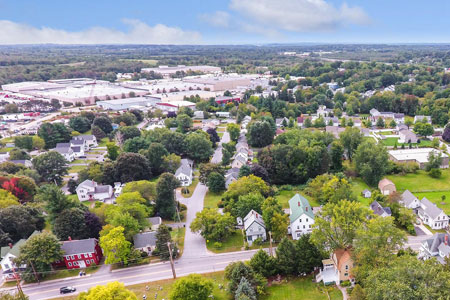
South Portland, Maine recently installed the EMTRAC system to provide Transit Signal Priority (TSP) for their South Portland Bus Service. As a part of the TSP implementation project, city personnel worked with their consulting traffic-engineering firm, Sebago Technics, Inc., to conduct a study to determine the general benefits of TSP in South Portland and to compare RF/GPS-based TSP with optical-based TSP to determine if one technology outperformed the other.
25
Feb
Feb
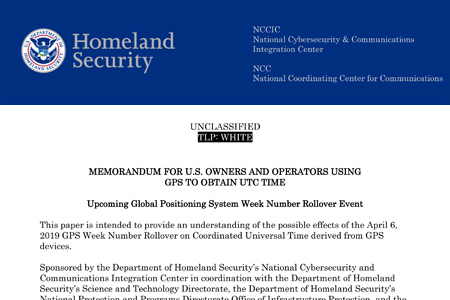
Between April 6 and April 7 of this year, there will be a GPS Week Number Rollover event, which could impact some GPS positioning and timing systems. This event could affect the ability of certain GPS-based navigation systems to provide accurate timing and, in some cases, position data during and after the rollover event.
15
Oct
Oct
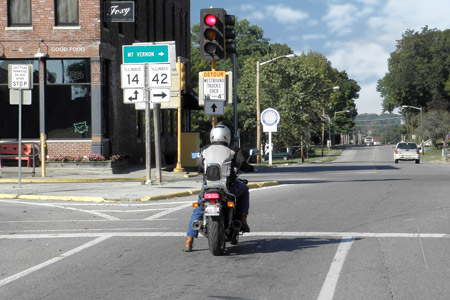
EMTRAC Systems has partnered with Columbia County Traffic Engineering to design and implement a mobile application for small vehicles (such as bicycles and motorcycles). The mobile app is known as Ride On Time Columbia County and is available for free download in the Apple and Google stores for iOS and Android.
05
Apr
Apr
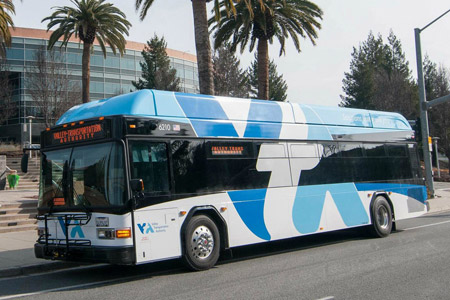
STC, Inc., manufacturer of the EMTRAC signal-priority system, has integrated the Galileo satellite navigation system with EMTRAC equipment installed in transit and emergency vehicles. Similar to the GPS navigation system maintained by the United States, Galileo is the new European navigation system and will have 24 operational satellites at full capacity.
28
Feb
Feb
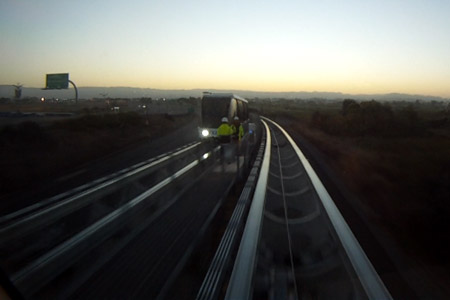
STC, Inc has been issued a U.S. patent for its EMTRAC Rail Worker Notification system, which notifies railway maintenance workers of approaching trains, as well as notifying train operators when their train is approaching wayside workers.