
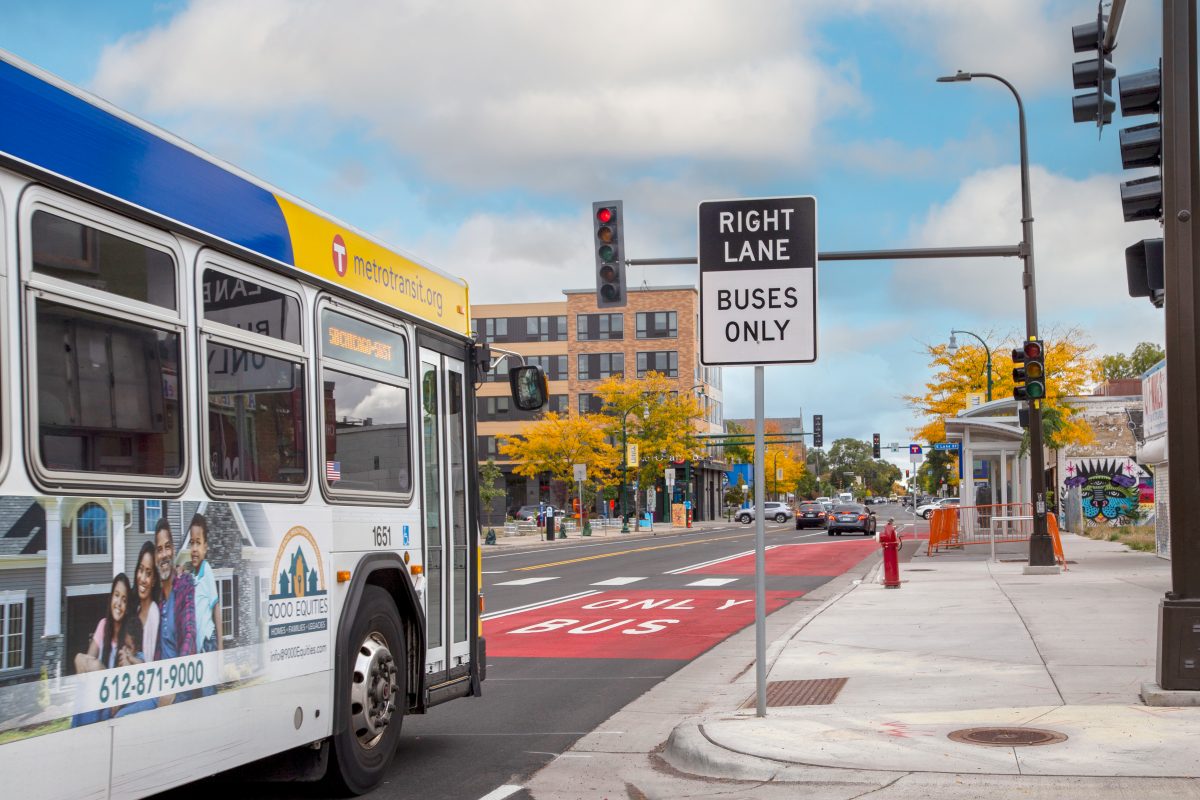
We’ve reached a point in the continued evolution of Transit Signal Priority (TSP) where the benefits clearly outweigh the costs. According to a 2023 TSP study published in the International Journal of Transportation Science and Technology:
“It is a tool that can be used to help make transit service more reliable, faster, and more cost-effective (Smith et al., 2009). TSP is also relatively inexpensive, easy to implement, and improves transit reliability and bus travel speed (Feng et al., 2015, Zlatkovic and Stevanovic, 2013, Zheng et al., 2008) .
One of the first questions transit agencies (as well as contractors, cities, regional councils, etc.) need to ask is “how can we implement a TSP system that both delivers intelligent TSP and also works with our planned transit and traffic capabilities?“
While there are numerous other questions to consider, let’s first look at planned transit and traffic capabilities.
Will the planned TSP system be centralized or distributed?
With centralized TSP, priority management is handled by a single network-connected system that communicates with both intersections and vehicles. As connected vehicles travel their routes, the ideal centralized TSP system collects detailed vehicle and intersection-activity data, which it then uses to optimize signaling for transit vehicles as well as general traffic.
Centralized systems rely heavily on communication infrastructure and typically also require onboard transit computer systems to interface with the TSP system. Advantages of centralized TSP include the need for less hardware, the ability to easily make remote, network-wide updates to system configuration and software, and to collect the enormous amount of data collected by the connected vehicles and intersections.
Distributed systems have historically required TSP hardware on vehicles and in the signal-control cabinet. In these systems, the determination to request signal priority is made at the vehicle or intersection. Communication between vehicles and intersections is wireless, and system configuration and data collection can be performed either at the vehicle or intersection or from a centralized location.
Advantages of distributed TSP include lower latency (that is, faster response), less reliance on network connectivity, and the ability to implement a hybrid system with some centralized control while maintaining the reliability and faster response times of a distributed system. Many cities prefer distributed systems to provide Emergency Vehicle Preemption (EVP) due to the ability to quickly request signal preemption during emergencies when communication channels may be overwhelmed or unavailable.
Another question to consider regarding EVP is whether the planned TSP system will provide both TSP and EVP, or if it will interface with an existing EVP system. Can the planned system handle both scenarios, and how will it handle that if so?
TSP System Capabilities
Once you’ve determined whether the planned system will be centralized or distributed, many of the follow-up questions address specific functionalities that will deliver the desired results. Does a given TSP system:
Maximize the Green Wave with Conditional Signal Priority
Reducing disruption to overall traffic flow is key, and some TSP systems can evaluate numerous factors before determining that signal priority will improve traffic flow. Certain transit vehicles need quicker passage based on based on current conditions, like amount-of-time behind schedule or occupancy rate. These systems can also factor traffic volume in determining when a transit vehicle will arrive at an intersection—enabling the controllers at each intersection to adjust signal timing so priority is granted at the proper time—and that priority is released as soon as the vehicle clears the intersection. A TSP system responsive to real-time conditions minimizes not only traffic disruption but also signal-coordination recovery time.
Employ the Latest Technology
While not all traffic networks include the latest controller technologies, the planned TSP system should offer the best available technology that will also interface with bus computers, signal controllers, and through appropriate communication channels and protocols. In addition to other features, advanced TSP systems include conditional-priority controls, as well as integrated communication with the traffic network, which enable signal controllers to minimize TSP impact on traffic flow.
Offer Additional Benefits
The benefits of TSP have been well documented in both real-world and simulated evaluation trials. However, these trials are also limited to the installed systems, their configuration, and location-specific circumstances (such as bus frequency) for each particular test case. While documented trials provide a good starting point for expected benefits, transit agencies often conduct pilot programs with selected TSP providers to further define the quantitative improvements.
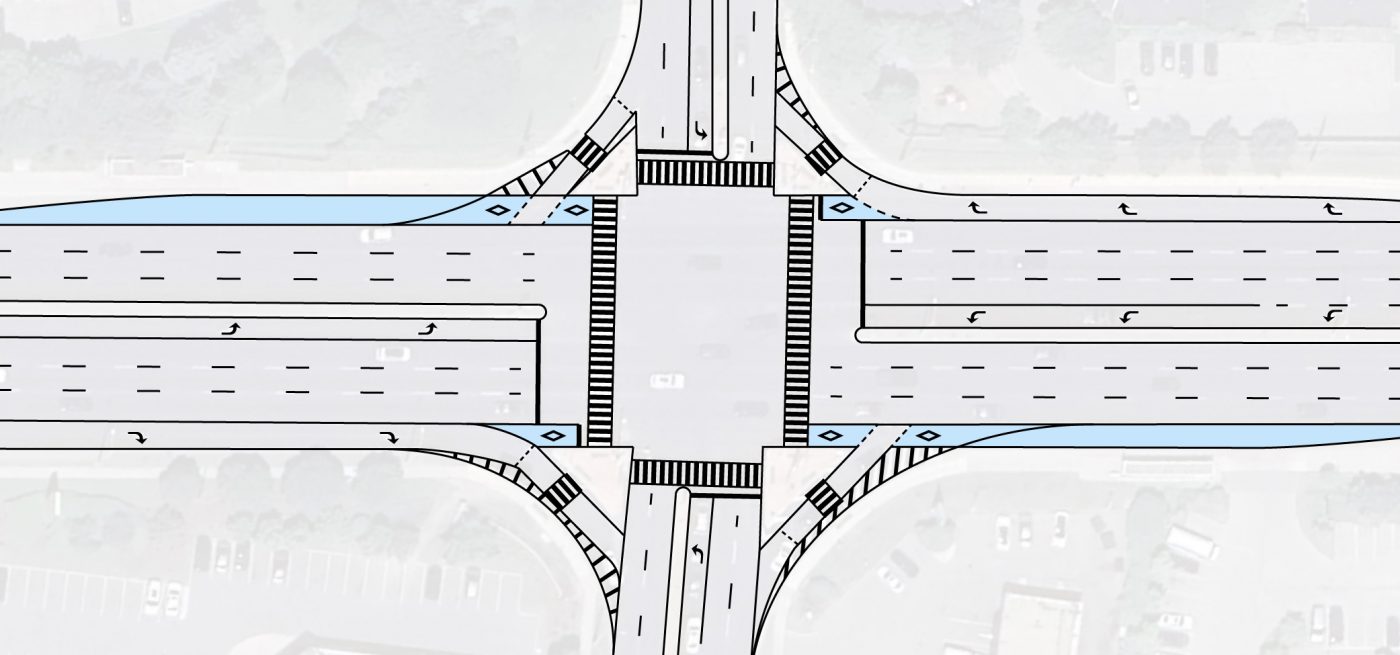
Additional benefits shown to result in measurable benefits include lane-specific TSP, which enables detecting buses in queue-jump lanes (as shown below). This capability enables buses to request a green signal earlier than for adjacent lanes at the same intersection. This capability allows buses to get ahead of the platoon and make up lost time. It should also be noted that queue-jump TSP can negatively affect cross-street traffic, and that small changes to TSP settings can alleviate the negative effects without sacrificing the more substantial benefits of queue-jump TSP. Traffic agencies should consider how precisely their planned TSP system can be adjusted to optimize the benefits of TSP.
There are many other factors and benefits to consider when evaluating TSP systems. Please contact us for more information about how the EMTRAC System can improve transit performance for your agency, and to schedule a pilot program to evaluate the system at your location.