EMTRAC Transit Signal Priority (TSP)

The EMTRAC Priority Management System uses precise navigation technology and secure wireless communication to provide ideal traffic-signal timing for connected transit vehicles—reducing delays, improving service, and mitigating traffic congestion based on real-time traffic conditions.

The EMTRAC system serves both centralized and distributed traffic networks throughout North America. It enables cities to quickly and easily implement the system within their existing framework, while offering the ability to continue optimizing their system based on the latest advances in technology.

The EMTRAC system also provides comprehensive cloud-based data to help transit agencies improve system performance and decision making. Agencies then analyze this data with EMTRAC software, as well as with their own third-party systems.

Read More
Bus entering bridge through green signal
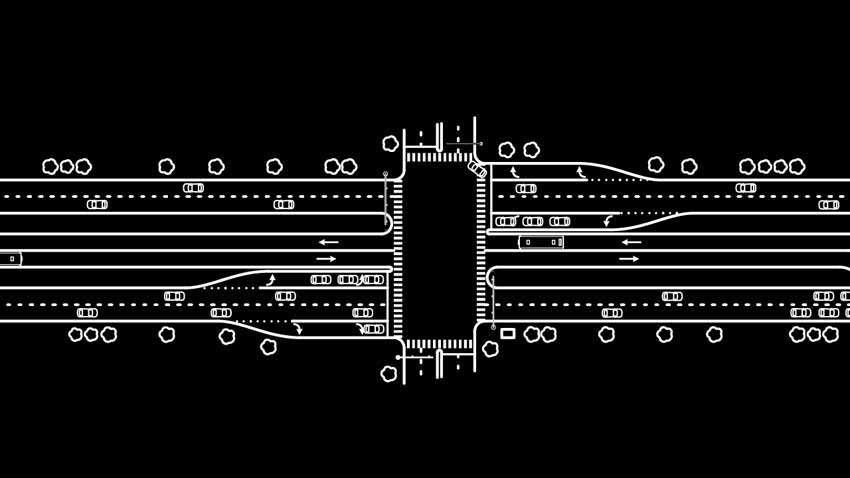
Signalized priority with optimized traffic flow
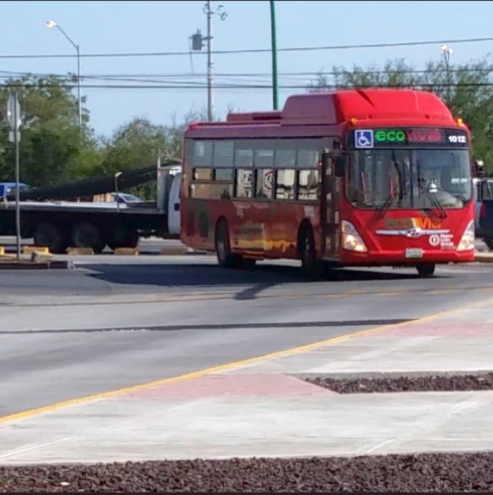
Right Turn from Dedicated BRT Lane - Monterrey, MX

Bus Rapid Transit (BRT)

The EMTRAC system is uniquely capable of helping buses take full advantage of existing BRT features while helping transit agencies implement a high-quality transit system that delivers fast, comfortable, and cost-effective urban mobility.[1]

The EMTRAC system enhances the following essential features that define BRT”[2] —without requiring additional hardware:

Dedicated Right-of-Way and Busway Alignment: Connected vehicles are able to automatically open entrance gates to dedicated BRT lanes.

Off-Board Fare Collection: Vehicles may request signal priority at near-side stops (depending on door status) or while approaching far-side stops (depending on stop-request status).
Read More
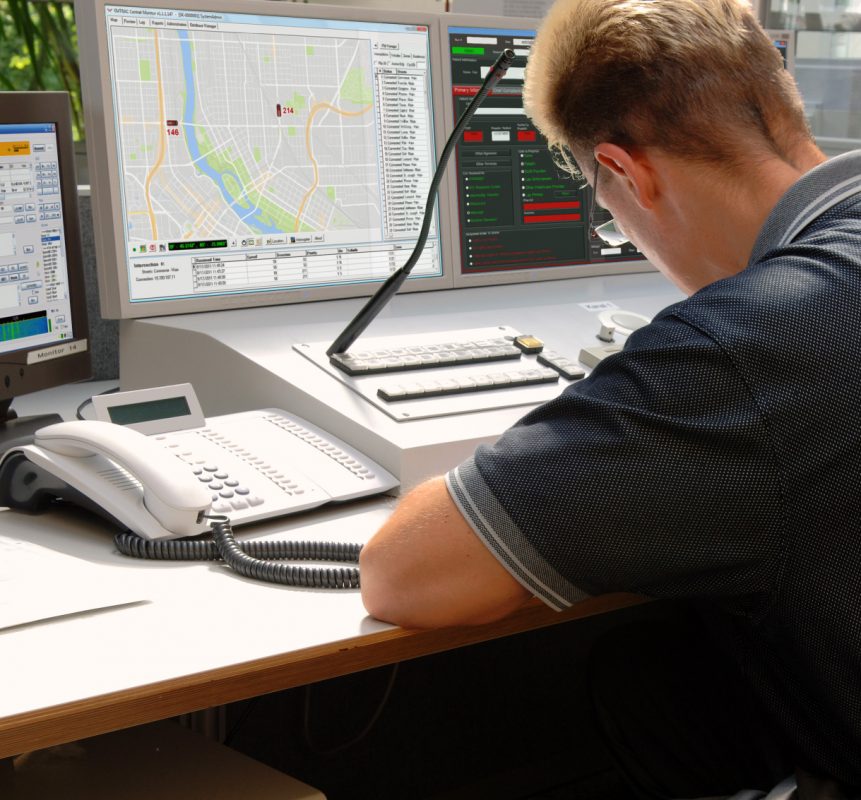
Supervisor at desk with monitor showing automatic vehicle locations for EMTRAC-connected vehicles

Automatic Vehicle Location (AVL)

The EMTRAC Central Monitoring System enables supervisory personnel to remotely monitor bus activity and progress in real time.

With EMTRAC AVL (automatic vehicle location), connected buses automatically transmit location and activity data to network-connected EMTRAC detectors in wayside cabinets. This data is displayed on central workstation monitors, showing vehicle movement on a map in real-time. It is also recorded in detailed logs for later review.

The vehicle and wayside components used for this system are the same as those used for basic EMTRAC EVP/TSP functionality, making it both a simple and cost-effective way to implement an accurate and reliable AVL system.

Read More

Transit Data Analytics

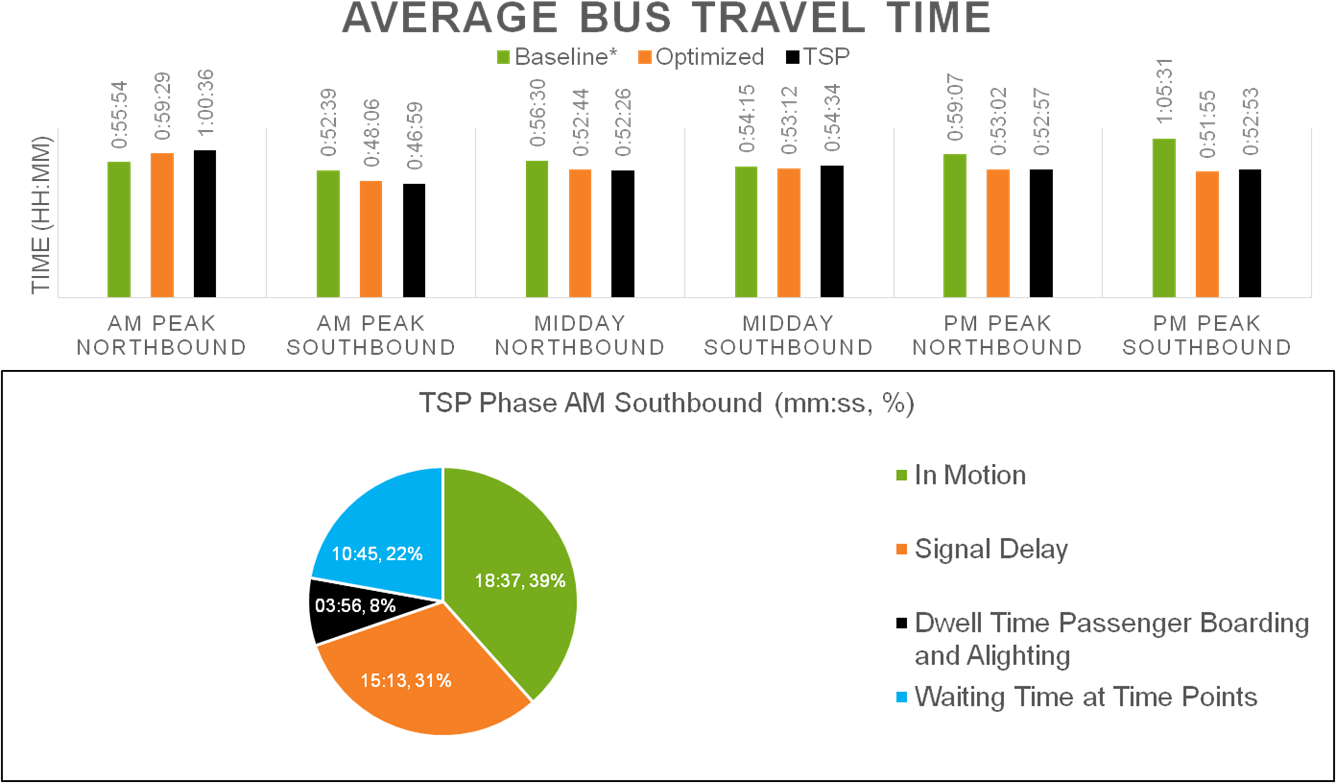
The EMTRAC Data Analytics package comprises a suite of data-analytics tools for traffic and transit practitioners. The Data Analytics package generates graphical performance measures used to improve traffic and transit operations. Highlights of the Transit Data Analytics tools include:

  • Comparing transit travel-time measurement before and after Transit Signal Priority (TSP) deployment.
  • Estimating signalized-intersection delay experience by transit and general traffic.
  • Quantifying the amount of TSP to be applied on specific corridors.
  • Reviewing the impact on general traffic due to TSP.
Read More
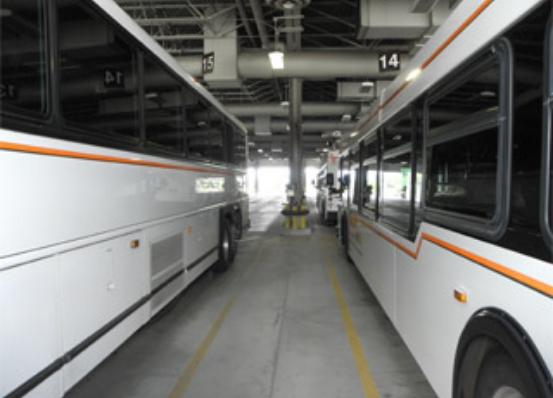
Automatic Transfer of Activity Logs at Bus Garage

Automatic Logs & Updates

The EMTRAC Interrogator System enables transit agencies to automatically download activity logs from—and upload firmware and database updates to—connected vehicles.

The EMTRAC Interrogator System can be used at bus garages, rail operations centers, maintenance facilities, as well as other locations.

As connected vehicles return to garages, the EMTRAC Interrogator System utilizes secure frequency-hopping spread spectrum radio to download activity logs from connected vehicles. This data is forwarded to a server running the EMTRAC Central Monitor software, where the data is accessed by authorized personnel.

Read More

References

1. Wright, Lloyd, and Walter Hook. The BRT Planning Guide. New York: Institute for Transportation and Development Policy, 2007.
2. “What Is BRT?” Institute for Transportation and Development Policy. ITDP, Web. 6 Aug. 2015.

Rail passengers exiting train and leaving station

Rail Transit

Positive Train Control (PTC) for Rail Transit

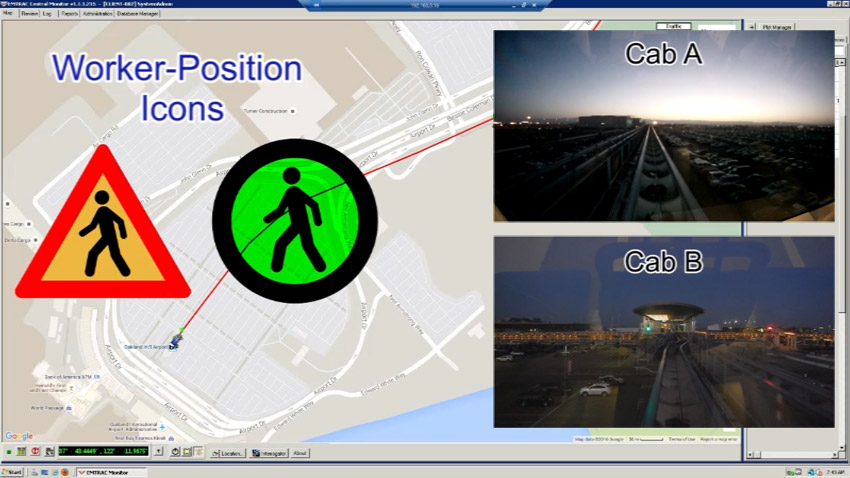
Transit rail vehicles are also able to utilize the EMTRAC system to enhance schedule efficiency and improve safety. In addition to signal priority, equipped agencies are able to implement key Positive Train Control (PTC) functions, including Overspeed Protection, Collision Avoidance, Wayside Worker Alerts, and Stop-Bar Overrun Alerts—using standard EMTRAC equipment.

Read More

EMTRAC Videos

EMTRAC System video demonstrations of EMTRAC System capabilities, including Emergency Vehicle Preemption (EVP), Transit Signal Priority (TSP), transit rail safety, vehicle detection, and signal management.

Intelligent Signal Management  -  1:13
EMTRAC INTRODUCTION  -  4:13
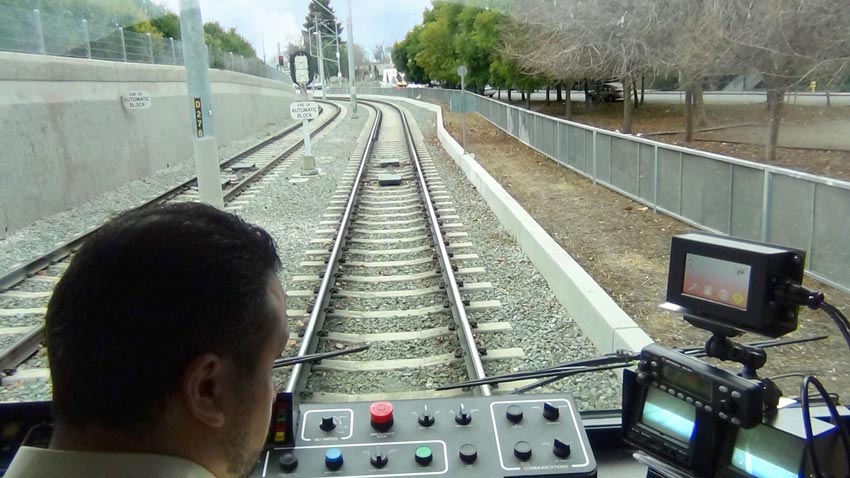
RAIL LINE SAFETY  -  4:45
RAIL WORKER SAFETY  -  3:20
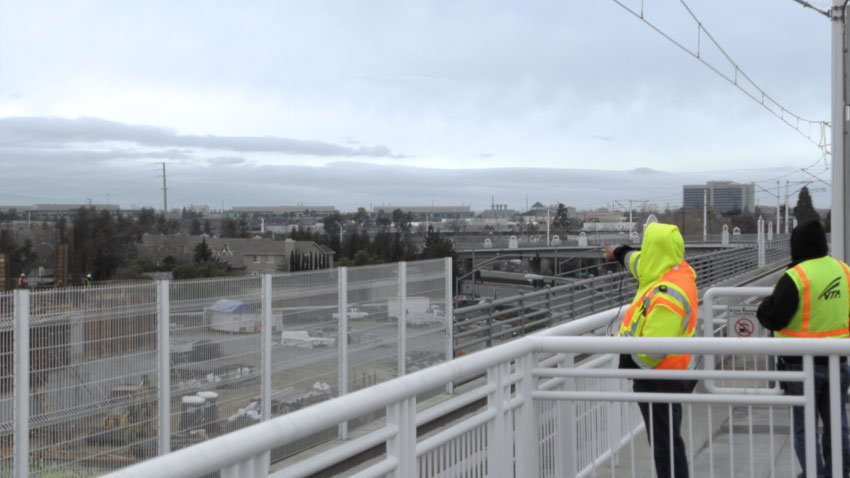
RAIL WORKER SAFETY DEMO  -  8:13